
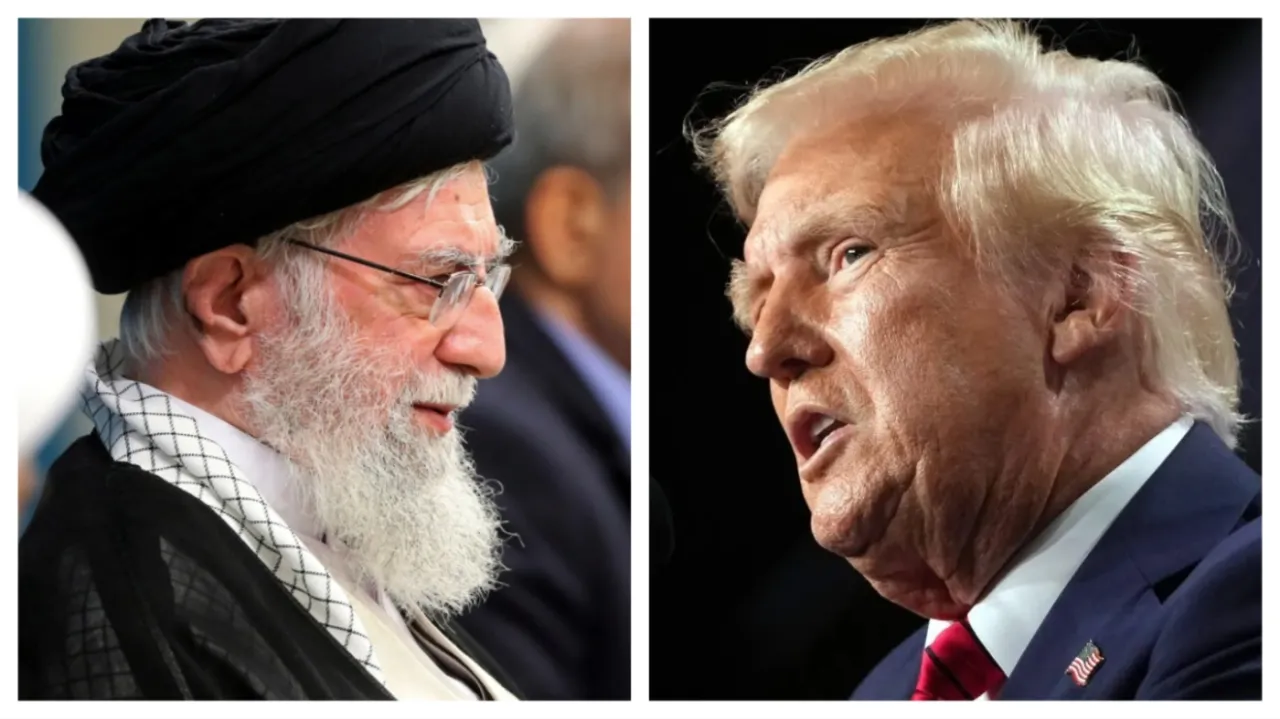
Locked and Loaded: What Is Trump’s Endgame in Iran?
From Nuclear Deterrence to Regime Change
Whether US military action sparks a sudden collapse or grinds Iran down over time, Washington’s trajectory appears increasingly clear: the end of the Islamic Republic.
Last year, the Trump administration framed its pressure campaign around Iran’s nuclear programme. But after Israel’s June strikes — the so-called 12-day war — and subsequent US bombing of Iranian nuclear sites, the White House abruptly declared the conflict “over”.
Now, the rhetoric has shifted. Trump’s recent call for Iranian protesters to “take over state institutions,” paired with promises that “help is on the way,” suggests regime change has replaced non-proliferation as the central goal. That help never arrived, fuelling speculation that military action was delayed — not abandoned — to prepare for what comes next.
With the region on edge, Trump’s next move remains opaque.
All Signs Point to War
Flights to Iran and Israel are suspended.
The USS Abraham Lincoln carrier strike group is in position.
Israel has elevated all defence systems to maximum alert.
Unconfirmed reports claim Supreme Leader Ali Khamenei has retreated to an underground bunker.
Trump remains silent, but Iran’s Revolutionary Guard has issued a blunt warning: it is “more prepared than ever, with fingers on the trigger.”
Everything appears primed for confrontation. The question is whether force can actually deliver Trump’s apparent objective.
1. Iran Is Not Iraq — or Libya
History offers cautionary lessons.
The US successfully toppled Saddam Hussein in 2003, but at the cost of decades of instability and sectarian violence. NATO’s intervention in Libya ended Gaddafi’s rule in 2011 — and left a failed state in its wake.
Iran, however, is a different proposition altogether: a nation of 92 million people with deep historical roots, a strong national identity, and a powerful regional footprint. Any attempt at externally driven regime change would be vastly more complex — and costly.
2. Iran Can — and Will — Hit Back
At the heart of the Islamic Republic lies the IRGC — not merely a military force, but an institution embedded in Iran’s economy, politics, and society.
Even devastating US airstrikes could fall short. Nuclear sites might be destroyed, missile bases neutralised, and senior leaders eliminated — but the regime could still endure. June’s 12-day war underscored a hard truth: air power alone does not topple Tehran.
Worse still, large civilian casualties could strengthen, rather than weaken, domestic support for the regime.
Iran’s retaliatory playbook is broad:
– Attacks on US bases across the Middle East
– Missile strikes on Israel
– Closure of the Strait of Hormuz
– Cyber warfare
– Proxy attacks throughout the region
If Tehran follows through on its threats, escalation could spiral into a full-scale regional war.
Depletion, Not Decapitation
If regime change comes, it is unlikely to arrive via a single strike.
A slower strategy — sustained military pressure, economic strangulation, and internal dissent — may be the more realistic path. Rather than sudden collapse, the Islamic Republic could be worn down over time, eroded by suffocation rather than destroyed by force.
History suggests that empires fall not with a bang, but under the weight of prolonged pressure.
More from USA

US House Votes to Repeal Trump’s Canada Tariffs as Six Republicans Break Ranks

Trump: Iran Would Be ‘Foolish’ Not to Make a Deal with the US
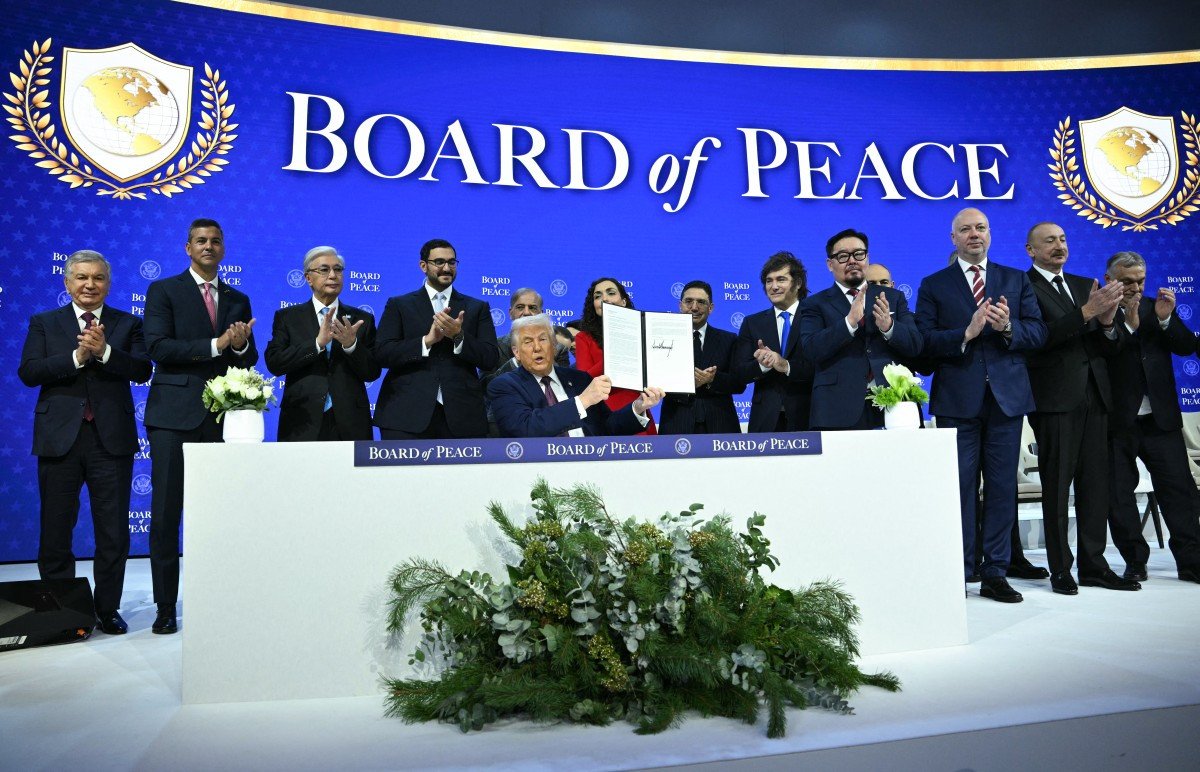
US to Host First Gaza 'Board of Peace' Meeting in Washington on Feb. 19

Trump: U.S. Will Not Leave Diego Garcia Air Base in Indian Ocean

Man Who Plotted to Kill Trump Sentenced to Life in Prison

Trump Administration Seeks $1bn Damages From Harvard University
💬 Leave a Comment
Popular
 Israeli Strike Kills Two Near Maghazi Camp Amid Ongoing Ceasefire Violations
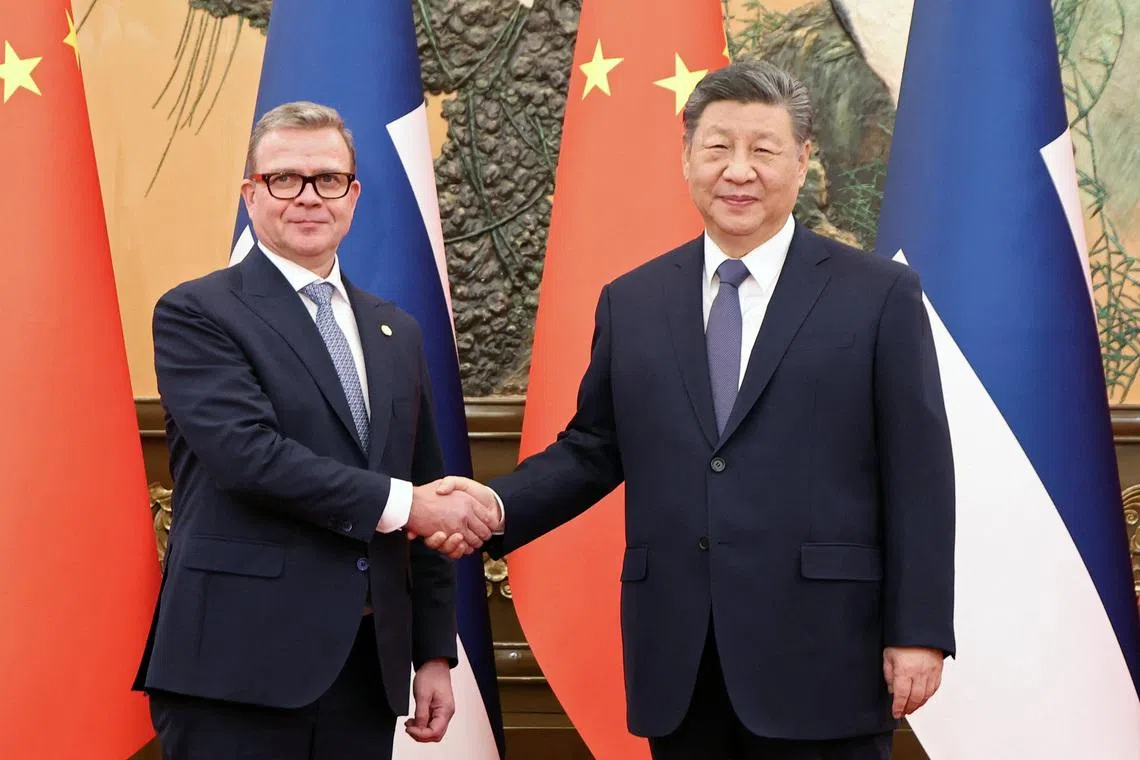 China, Finland Seek Closer Ties as Arctic and Global Alliances Shift
 I can't give my husband', why did Sana Javed give this answer to a user?
 Former Bangladeshi Prime Minister Khalda Zia has died at the age of 80
 Pakistan outperforms India in terms of economy and peace, Global Economic Survey
Latest
 UN Extends Taliban Sanctions Monitoring Mandate Amid Rising Security Concerns
 BNP Secures Historic Landslide in Bangladesh’s Landmark Parliamentary Election
 Bradford 2025 TV Coverage Reaches Over 26 Million Viewers
 T20 World Cup 2026 Pre-Match Controversy: Namibia Claims Disadvantage Against India
 “Text Promises £1,000 in 90 Minutes – Experts Warn of Hidden Money Laundering Risk”
Recent Comments
No comments yet. Be the first to comment!