
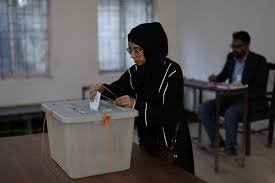
Millions Cast Ballots in First Election Since Youth-Led Revolution
Bangladeshis began voting on Thursday (Feb 12) in what is widely seen as a watershed election, the first since the 2024 ouster of long-time prime minister Sheikh Hasina in a youth-led uprising. The vote is viewed as a critical step in restoring democratic governance after months of unrest that followed the protests, which disrupted key sectors including the country’s vital garments industry.
The election pits two rival coalitions led by former allies — the Bangladesh Nationalist Party (BNP) and the Islamist Jamaat-e-Islami — with opinion polls giving the BNP a slight edge. Hasina’s Awami League has been banned, and she remains in self-imposed exile in India. More than 2,000 candidates from at least 50 parties are contesting 300 parliamentary seats, marking a record level of participation. Voting in one constituency has been postponed following the death of a candidate.
Polling stations opened at 7.30am local time, with long queues forming early in Dhaka and other cities. Nearly 128 million people are registered to vote, about 49 per cent of them women, though only 83 female candidates are running. Many voters expressed enthusiasm about casting ballots freely for the first time in years, while others remained conflicted due to economic pressures or the absence of Hasina’s party from the race.
Alongside the general election, voters are deciding on a referendum proposing sweeping constitutional reforms. These include introducing a neutral interim government during election periods, creating a bicameral parliament, increasing women’s representation, strengthening judicial independence and imposing a two-term limit on the prime minister. Security has been tightened nationwide, with more than 100,000 military personnel assisting police, as officials and observers stress that a fair and peaceful process will be crucial to cementing Bangladesh’s democratic renewal.
More from World
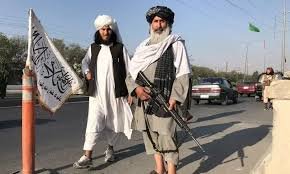
UN Extends Taliban Sanctions Monitoring Mandate Amid Rising Security Concerns
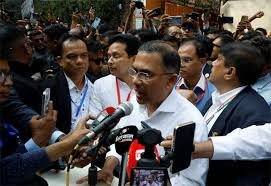
BNP Secures Historic Landslide in Bangladesh’s Landmark Parliamentary Election
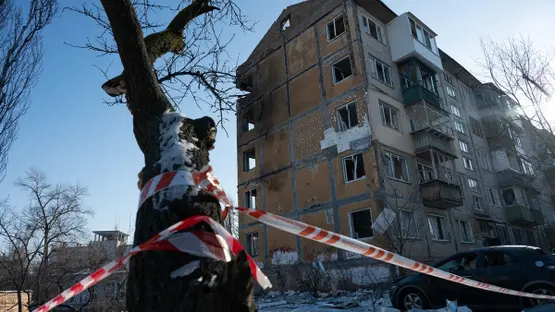
Russian Missiles Strike Ukrainian Capital; Residential Areas Hit
Turkey Signals Progress as US and Iran Edge Closer to Nuclear Understanding
Netanyahu Heads to Washington to Press Trump on Iran Missiles

Obama Monkey Video Appears, Then Vanishes from Trump’s Truth Social Profile
💬 Leave a Comment
Popular
 Israeli Strike Kills Two Near Maghazi Camp Amid Ongoing Ceasefire Violations
 China, Finland Seek Closer Ties as Arctic and Global Alliances Shift
 I can't give my husband', why did Sana Javed give this answer to a user?
 Former Bangladeshi Prime Minister Khalda Zia has died at the age of 80
 Pakistan outperforms India in terms of economy and peace, Global Economic Survey
Latest
UN Extends Taliban Sanctions Monitoring Mandate Amid Rising Security Concerns
BNP Secures Historic Landslide in Bangladesh’s Landmark Parliamentary Election
 Bradford 2025 TV Coverage Reaches Over 26 Million Viewers
 T20 World Cup 2026 Pre-Match Controversy: Namibia Claims Disadvantage Against India
 “Text Promises £1,000 in 90 Minutes – Experts Warn of Hidden Money Laundering Risk”
Recent Comments
No comments yet. Be the first to comment!