
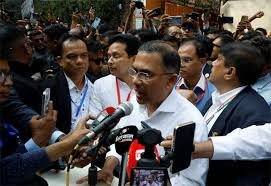
BNP Secures Historic Landslide in Bangladesh’s Landmark Parliamentary Election
The Bangladesh Nationalist Party (BNP) secured a sweeping victory in a landmark parliamentary election, according to local television reports on Friday. The party’s decisive win grants it a strong mandate in what is widely seen as a critical moment for restoring political stability in the South Asian nation.
Thursday’s vote marked Bangladesh’s first general election since the 2024 youth-led uprising that brought down long-serving prime minister Sheikh Hasina. The clear electoral outcome was viewed as essential for stabilizing the Muslim-majority country of 175 million, following months of violent anti-Hasina protests that disrupted daily life and affected key industries, including the garment sector in the world’s second-largest apparel exporter.
The election was also the first in the region to follow a wave of under-30-led movements. Neighboring Nepal is scheduled to hold its own vote next month.
Jamaat Pledges Constructive Opposition
Shafiqur Rahman, leader of the BNP’s principal rival, Bangladesh Jamaat-e-Islami, conceded defeat after his alliance secured just 68 seats. He stated that Jamaat would avoid engaging in opposition politics merely for obstruction’s sake. “We will pursue positive politics,” he told reporters.
The National Citizen Party (NCP), formed by youth activists who played a key role in Hasina’s ouster and aligned with the Jamaat-led coalition, won five of the 30 seats it contested.
Despite the landslide result, the vote was widely regarded as Bangladesh’s first genuinely competitive election in years. Hasina’s Awami League, which governed for over 15 years before her removal, was barred from participating.
Voter turnout appeared set to surpass the 42 percent recorded in the 2024 election. Local media estimated that more than 60 percent of registered voters cast ballots this time.
Over 2,000 candidates, including numerous independents, competed in the race, with at least 50 parties contesting seats — a national record. Voting in one constituency was postponed following the death of a candidate.
Alongside the parliamentary contest, voters also participated in a referendum on proposed constitutional reforms. These included establishing a neutral interim government during election periods, introducing a bicameral legislature, increasing women’s representation, strengthening judicial independence, and imposing a two-term limit on the prime minister.
While official referendum results had not been announced, leading newspaper The Daily Star reported that 73 percent of the approximately 296,000 votes cast supported the reforms.
Congratulations from Pakistan’s Leadership
Pakistan’s President Asif Ali Zardari and Prime Minister Shehbaz Sharif extended congratulations to the BNP and its leader, Tarique Rahman, on their decisive victory and mandate to form the next government.
More from World

UN Extends Taliban Sanctions Monitoring Mandate Amid Rising Security Concerns

Russian Missiles Strike Ukrainian Capital; Residential Areas Hit
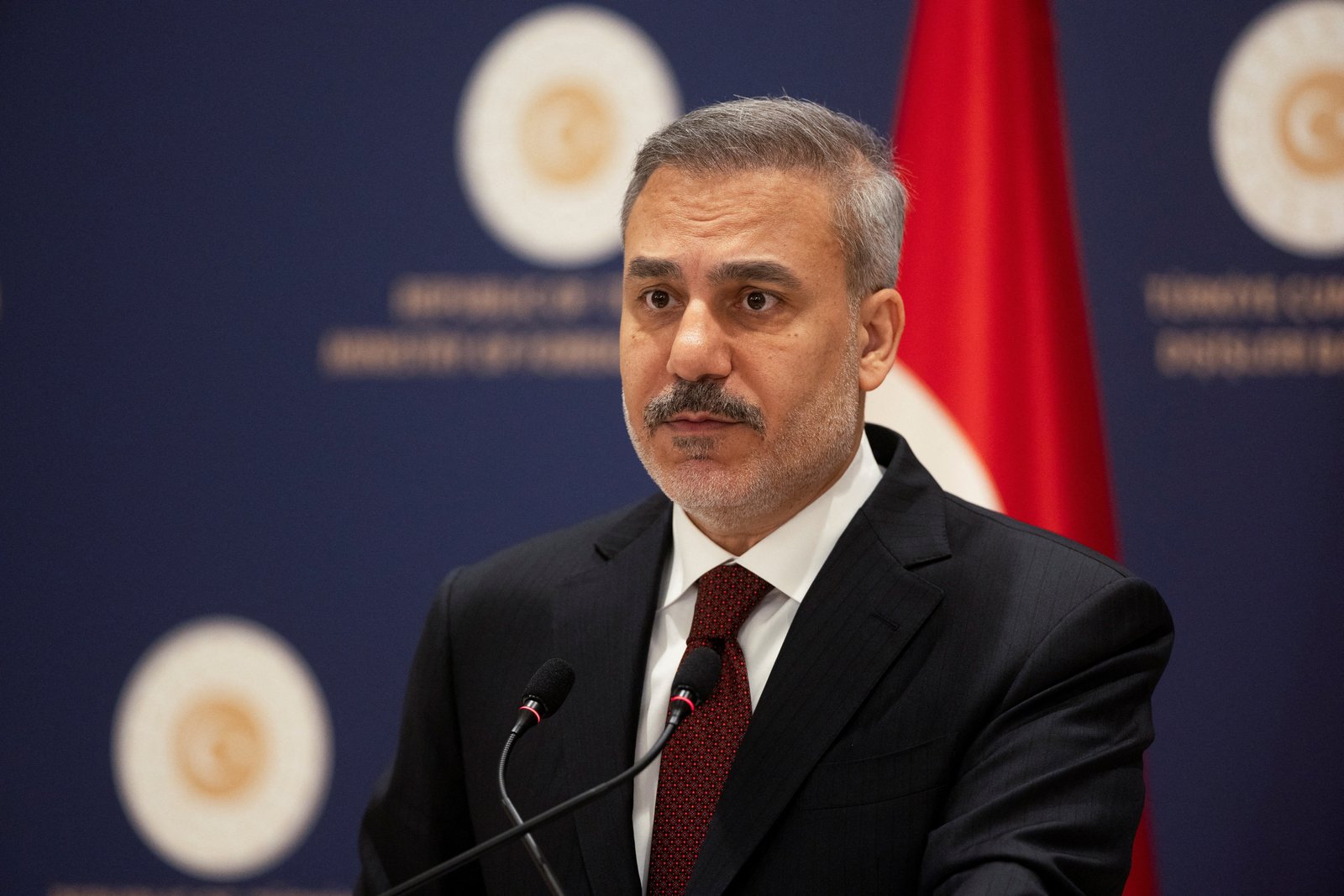
Turkey Signals Progress as US and Iran Edge Closer to Nuclear Understanding
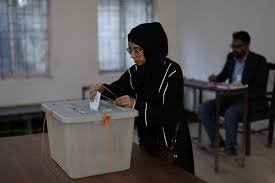
Millions Cast Ballots in First Election Since Youth-Led Revolution
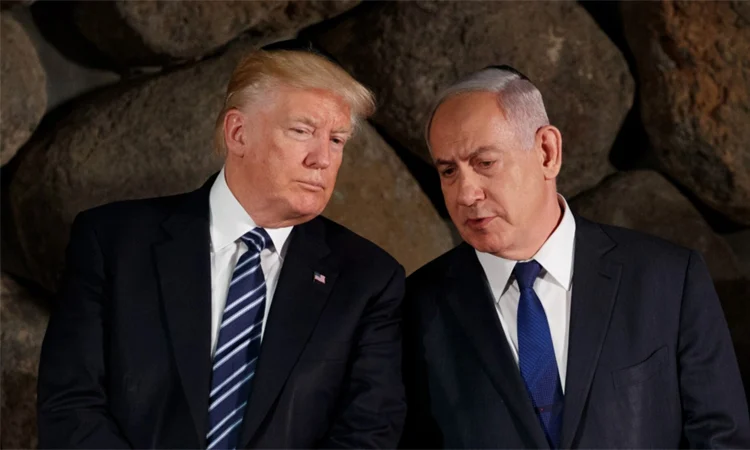
Netanyahu Heads to Washington to Press Trump on Iran Missiles
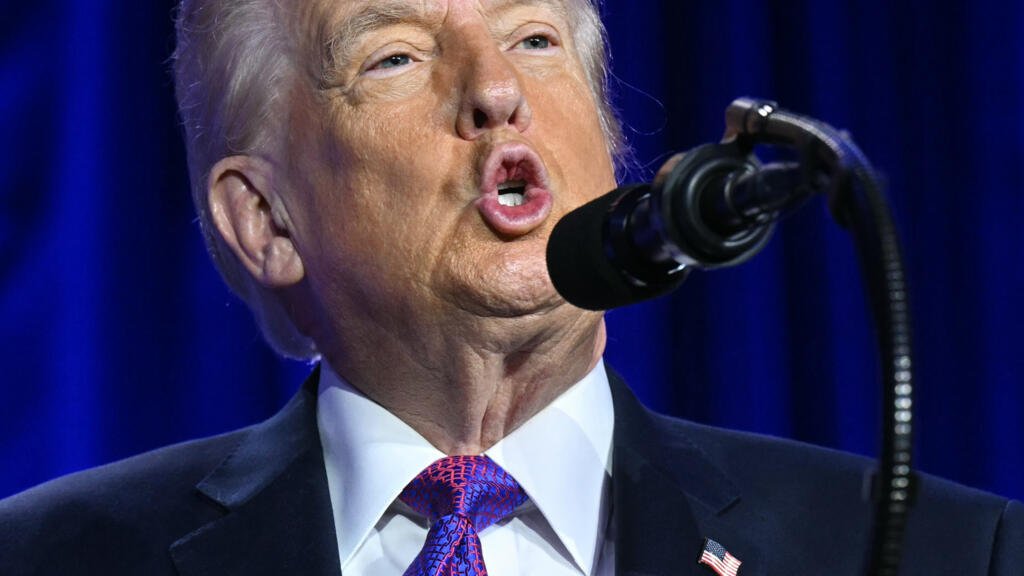
Obama Monkey Video Appears, Then Vanishes from Trump’s Truth Social Profile
💬 Leave a Comment
Popular
 Israeli Strike Kills Two Near Maghazi Camp Amid Ongoing Ceasefire Violations
 China, Finland Seek Closer Ties as Arctic and Global Alliances Shift
 I can't give my husband', why did Sana Javed give this answer to a user?
 Former Bangladeshi Prime Minister Khalda Zia has died at the age of 80
 Pakistan outperforms India in terms of economy and peace, Global Economic Survey
Latest
UN Extends Taliban Sanctions Monitoring Mandate Amid Rising Security Concerns
BNP Secures Historic Landslide in Bangladesh’s Landmark Parliamentary Election
 Bradford 2025 TV Coverage Reaches Over 26 Million Viewers
 T20 World Cup 2026 Pre-Match Controversy: Namibia Claims Disadvantage Against India
 “Text Promises £1,000 in 90 Minutes – Experts Warn of Hidden Money Laundering Risk”
Recent Comments
No comments yet. Be the first to comment!